What Does the Line of a Composition Mean in Art
When painting or composing whatever projection one should consider that different compositional layouts evoke dissimilar effects on the viewer and might evoke different connotations. The authorisation of horizontal lines in a painting or a graphic design projection symbolizes peace, stagnation, melancholy or even sadness. This results from hidden association of horizontal position with sleeping, retirement or death. Hither is an instance of a melancholic painting by William Blake:
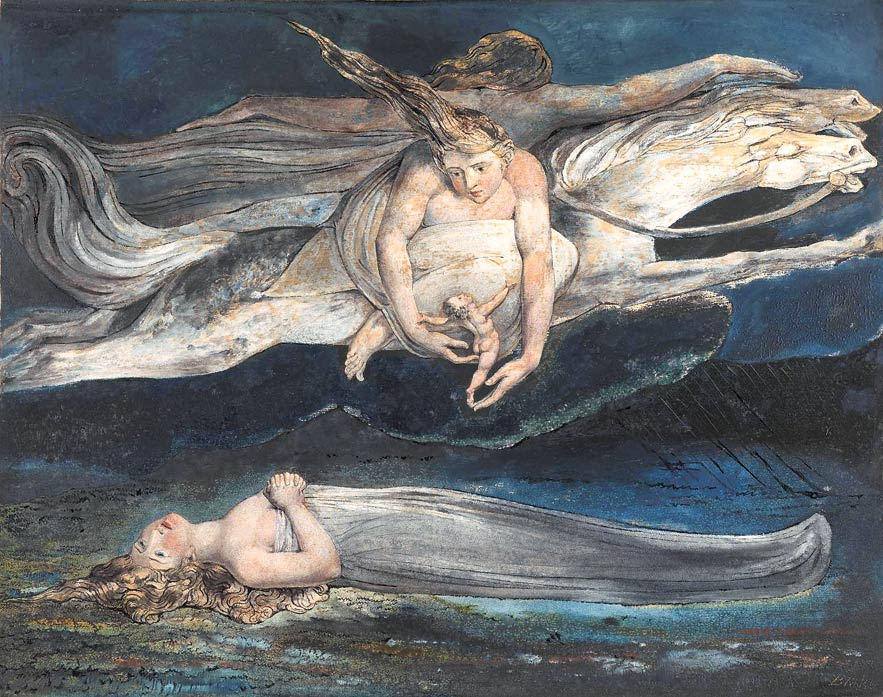
And here is some other example, a cover for Stephen King'south book by Daniel Chudy (it is a office of his diploma project realized under my direction). In this projection, horizontal lines reverberate the gloomy mood of the story, while the gradual change of straight lines into more vibrating ones refers to the changes in main character's psyche. And then it is a transition from absolute peace to growing tension.

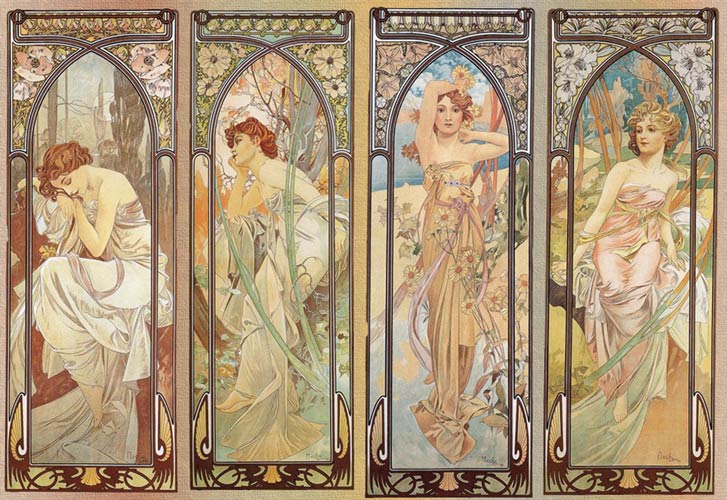
The potency of vertical lines symbolizes strength, vitality, growth, life energy, potency, so in general it gives positive connotations. If nosotros add juicy colours to such composition, surely it will evoke positive emotions, it will remind us of spring vigor. Vertical forms can be institute i.e. in the fine art of Gothic period, then at that place was a visible trend for this type of compositions in secession (Art Nouveau). In a more philosophical sense, the dominance of vertical lines symbolizes hope and cheerfulness, while the potency of horizontal lines reflects stagnation, resignation, depression, lack of willingness to act.
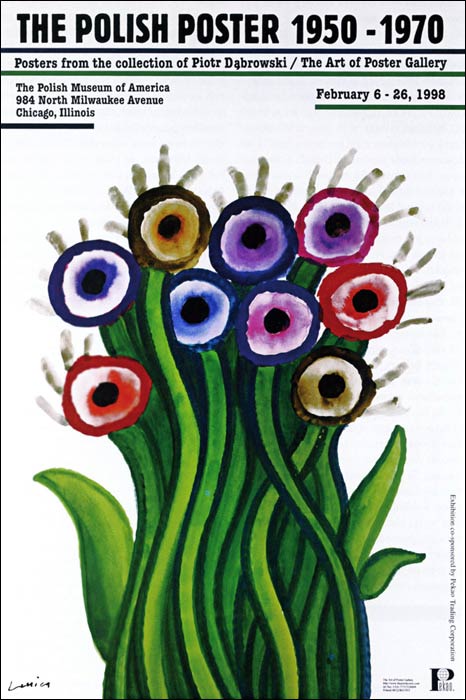
Sharp, soaring forms might also be associated with dynamism, assailment. They strongly concenter attending, like in this project by Daniel Chudy for 'Children of the Corn'. Multiplication and similarity of sharp, contrasting forms might additionally exist associated with offense and the title corn field with a ghastly labyrinth without get out.

Combination of horizontal and vertical lines designates guild, harmony, peace and balance. Piet Mondrian, amongst others, was on the lookout man for the perfect harmony. Of course in his compositions colour is equally important, but let's leave that for some other occasion. Here's ane of Mondrian'south more famous pieces:

The most dynamic compositions are the ones based on diagonal lines and foreshortenings. The authorization of diagonals is associated with dynamics, expression, motion, fight. Many examples of dynamic compositions tin be found in the art of older periods. This is i of the most famous paintings of early renaissance "The Boxing of San Romano" by Paolo Uccello. Here, in a literal way, the artist wanted to show the dynamics of a fierce battle through a dynamic composition.

Let'south move on to contemporary, avant-garde art. Dynamics and motility fascinated Futurists. It was direct connected to sudden technological developments, only also had on purpose visual enforcing of radical, futuristic manifestos. Below you can see a futuristic collage by Carlo Carrà. In this piece of work, dynamic composition based on diagonals was enforced by a spiral.

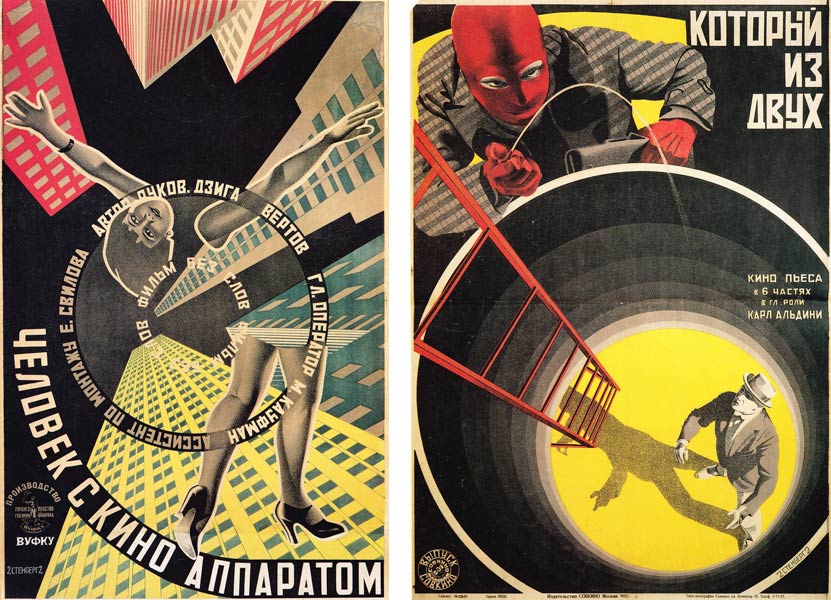
Dynamic compositions were the characteristic trait of pre-war avant-garde graphic blueprint. I'grand thinking here especially about Russian constructivism. Dynamic compositions were also the trademark of German expressionists. In expressionistic film "The Cabinet of Doctor Caligari", by Robert Wiene from 1920, the overwhelming amount of precipitous, diagonal directions in the scenery is meant to confuse the viewer and reverberate the madness of the main hero.

Asymmetrical compositions, foreshortenings and numerous diagonals in the designs of Russian constructivists or January Tschichold were a breath of modernity and an attempt to abandon the previous "boredom in design", that is – traditional typography based on key, horizontal lines.
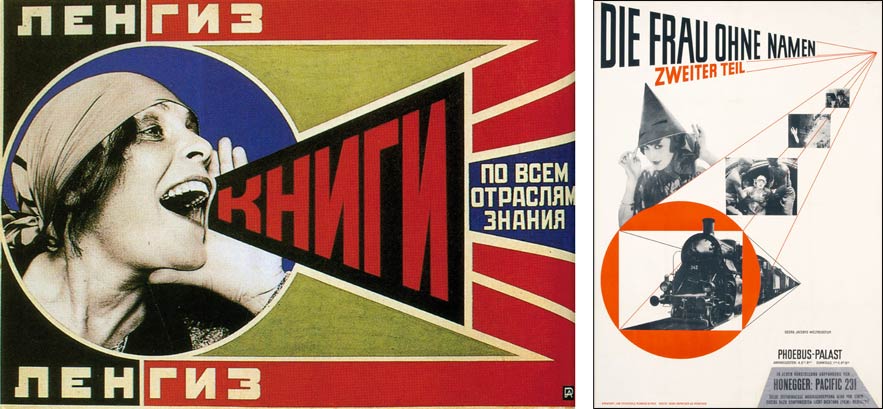
Enforcing dynamic compositions with spirals and perspective play gives boosted force to a project, introduces boosted movement and might cause a vertigo. Masters of this blazon of assuming compositions were the Stenberg Brothers:
Spirals were also willingly used past the animation master Saul Bass in his posters and movie intros. It is said that information technology was he who suggested to Alfred Hitchcock the most famous scene in history of thrillers – the scene of murder in the shower from Psycho. This scene is too based on a spiral composition:

on the right: scene of murder in the shower from A. Hitchcock 'Psycho'
translation past Karolina Kłos
Source: https://www.retroavangarda.com/the-meaning-of-line-directions-in-art/
0 Response to "What Does the Line of a Composition Mean in Art"
Post a Comment